 by
by Market Overview
Physical movie discs and tapes have gradually shifted from a mainstream format to a niche collector’s item ever since DVD sales peaked at $16 billion in 2005, falling to significantly lower figures in recent years. Some sources estimate that DVD sales have declined by as much as 94.2% since 2006, transforming what was once a multi-billion-dollar industry into a much smaller, niche market.
Despite the overall decline of the physical movie industry, a dedicated collectors’ market has emerged, driven by nostalgia and the desire for physical ownership. One major reason for this desire is that most streaming services operate on rotating libraries, where many titles are not always available—constantly moving from one platform to another, or disappearing entirely for uncertain periods of time.
Without physical media, many films that are unavailable on streaming services and cannot be purchased digitally through platforms like Amazon Prime Video run the risk of becoming inaccessible to viewers altogether, increasing the chances of some films becoming lost media.
This niche market has shown roughly 15% year-over-year growth in physical media collecting, and as the overall market shrinks, the value of individual units for collectors continues to rise. Some figures indicate that prices for video discs and other physical media increased by nearly 29% in April 2024 compared to a year earlier.
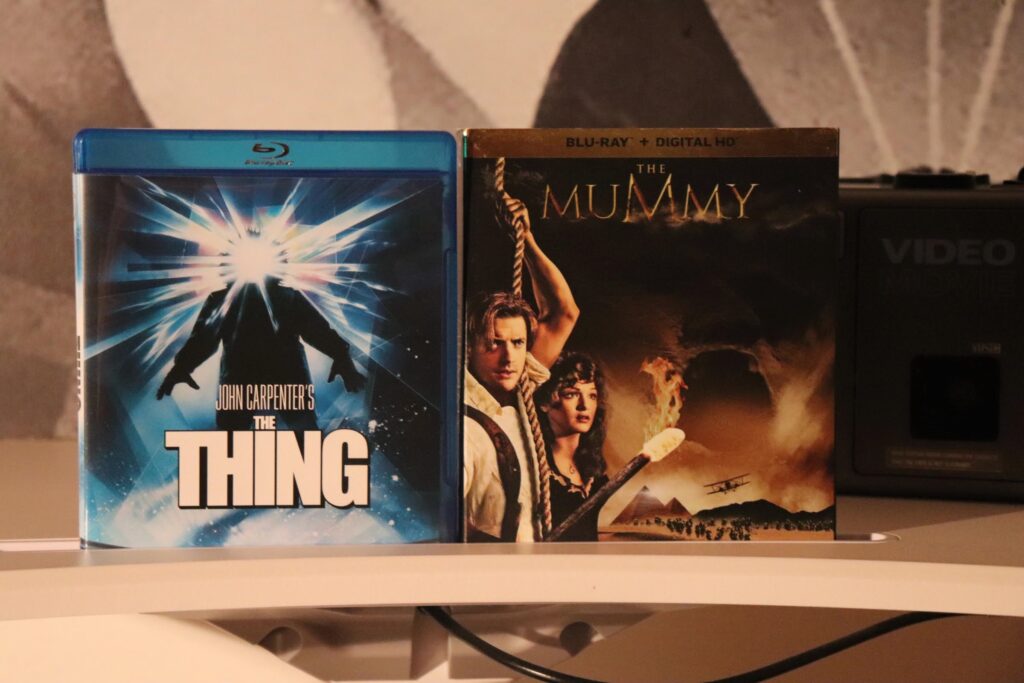
I’m part of a niche group of collectors who still seek out video stores and order DVDs, Blu-rays, and 4K discs through online retailers. This piece reflects on why I still buy physical movies—and why I hope they continue to exist.
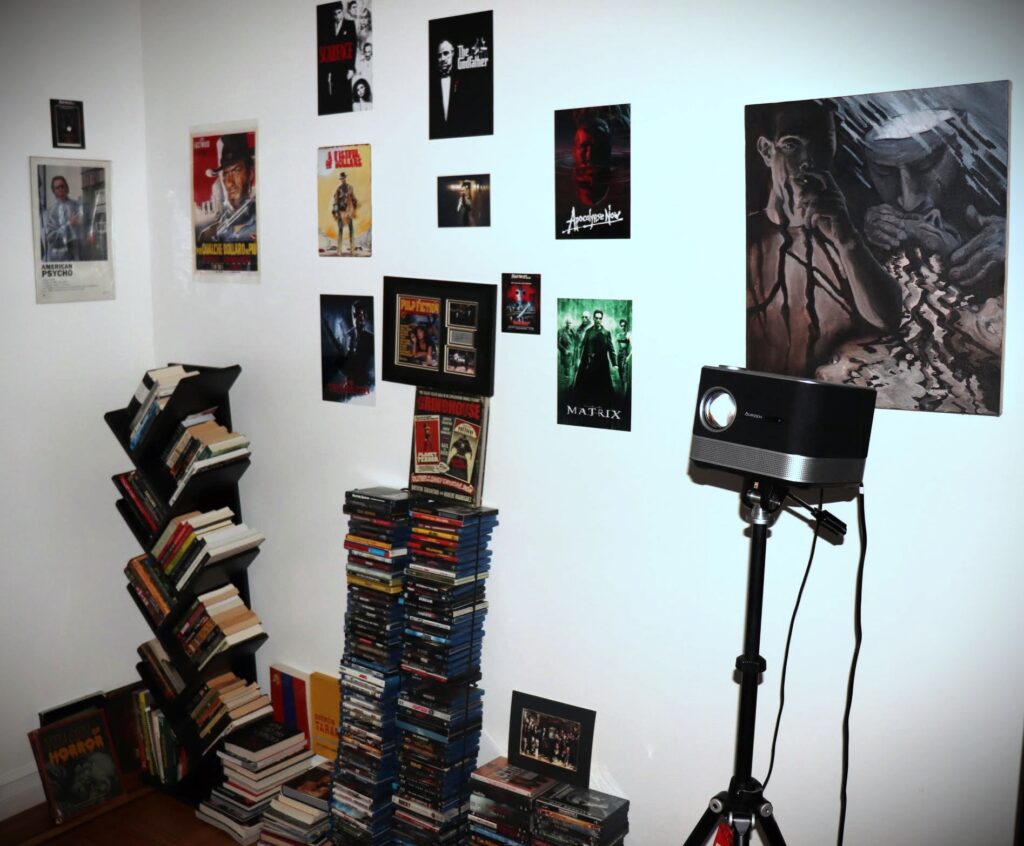
The Ritual
Ever since I was a kid, one of my favorite activities was going to a video store with my parents, my grandpa, or my friends to rent or buy a movie. I could have looked at the shelves for hours, but whoever I was with would often speed me up to make a choice, and when I did, I would pick one or two movies that piqued my curiosity and bring them home with me.
I would observe the front and back cover of the movie, gaze at the artwork, and imagine the adventures that awaited me once I got back home. That little DVD or VHS copy felt like holding a magical box—the key to a portal into a whole new world. When I brought a movie home, it was almost guaranteed that I would watch it that same night, and if I liked it, many more times after that.
My library of movies grew so much when I was a kid that I always had something to watch. I would approach my physical movie collection and go through the titles, and one of them would always call out to me—the vibrant colors of the cover, the mysterious nature of the artwork, or an adventure I was ready to revisit for the hundredth time, where the characters felt like friends I was glad to see again.
A Shared Movie Culture
There was movie magic in the air everywhere during the early and mid-2000s. Video stores were on almost every block; people—couples, friends, and families—would browse the shelves and talk about movies, and the employees seemed to genuinely enjoy assisting customers, discussing films, and giving recommendations.
It felt as if everyone was in the zeitgeist of great films. Everyone was on the same page when it came to classics and new releases. On birthdays, people would often gift movies, and as a kid I was excited to receive a movie I hadn’t seen before. When I went to a friend’s house, their family would have their own movie collection, and I’d be curious to check out what they had in their library, often discovering movies I hadn’t heard of or seen.
They’d lend movies to me, I’d lend movies to them, and no matter the economy or the struggles of life, movies would bring us all together and allow us to dream, explore various worlds, and be inspired by heroes who helped us navigate our own lives, or learn from evil characters who taught us how not to be like them or how to avoid them in real life.
The Age of Abundance
Fast forward to 2026, and it just isn’t the same anymore. There are too many streaming services, each one with its own popular shows and movies. What once felt like one big movie-watching community has been sliced up into different niches, target markets, and audiences.
Netflix has its popular shows and movies, as do HBO Max, Amazon Prime Video, Hulu, Paramount+, Disney+, Apple TV+, STARZ, Peacock, AMC+, and many more. What I watch now is likely to be very different from what my coworkers, friends, or any random person on the street is watching. Maybe once in a while, a cultural phenomenon of a show or a movie comes along, and we’re all on the same page experiencing it together, but that’s happening less and less, and farther apart.
The abundance of options is so overwhelming that many of us often find ourselves scrolling through our streaming services and having a hard time picking what to watch. It’s not the same as browsing through the aisles of a video store and picking that special movie you’d been seeking or had just discovered, because the cover and synopsis fired up your imagination and made you excited to take it home and experience what it’s all about.
Keeping the Ritual Alive
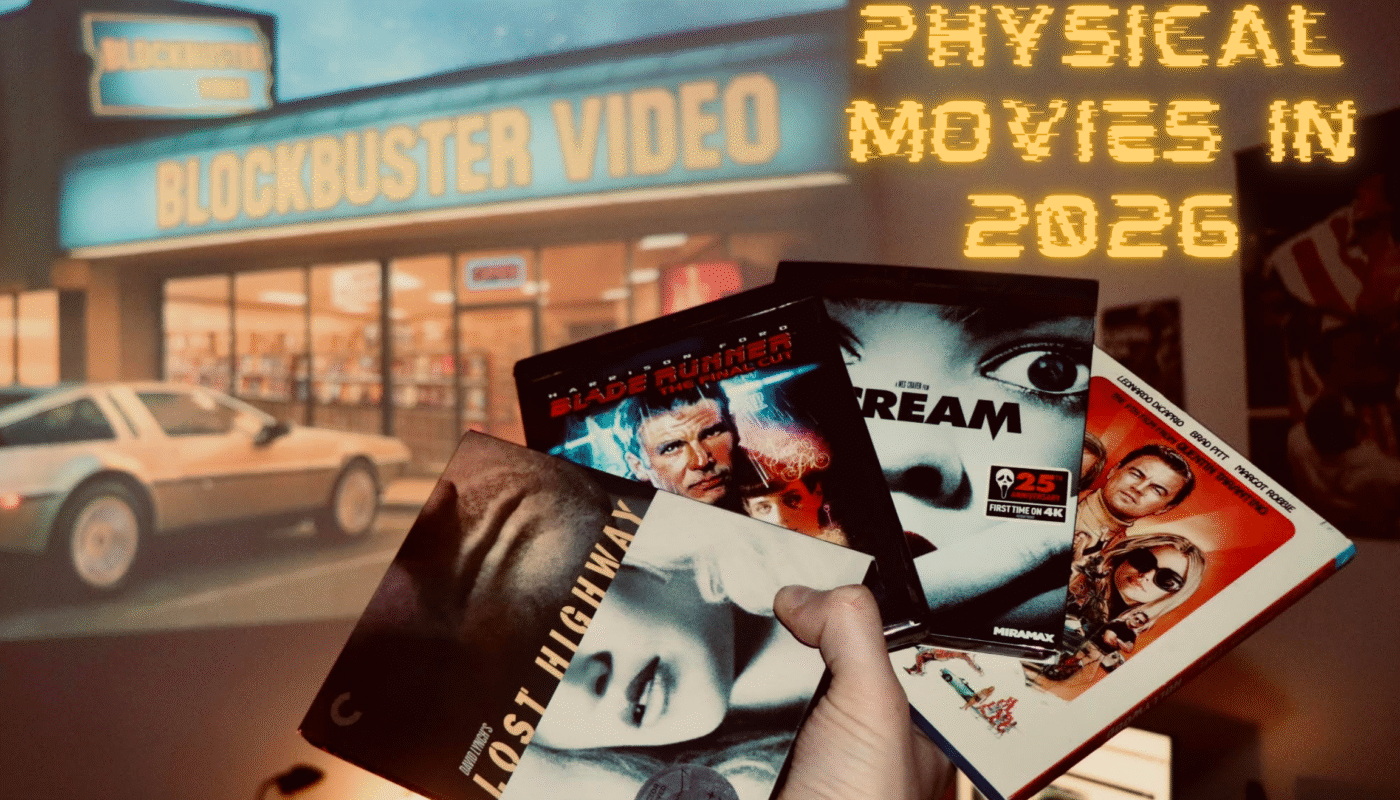
But the major benefit of being in a world of abundance is that I can still make my own choices and recreate the rituals of movie-watching of the past. I can still buy discs, Blu-rays, and new 4K restorations at the limited number of video stores that remain.
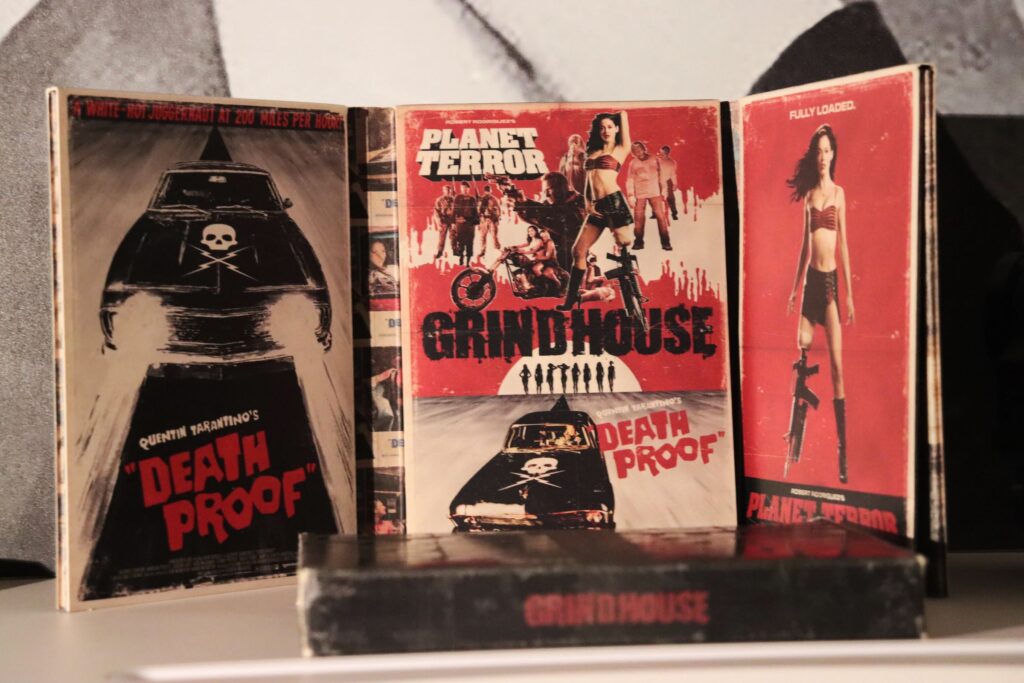
I live in New York City, so for me there are still stores that remain accessible, but over the years I’ve seen fewer and fewer of them. I used to love the movie section at my local Target and the deals whenever I shopped there, but what was once a three-aisle section has now been reduced to a single shelf. Best Buy discontinued physical media entirely, which had always been one of my favorite sections of the store. Barnes & Noble, however, still retains some solid physical media sections for movies and music.
And it’s nice being able to order a movie on the internet and then have it waiting at my doorstep as I arrive home from work, excited to open it and observe the case and artwork and build myself up to watching it in the evening, or putting it aside for the weekend with a movie already decided—saving all that time scrolling and wondering if this is better to watch than that, or should I watch this or that, or maybe I’m in the mood for something else, but I should watch this instead because it says it will be “leaving soon” from the platform.
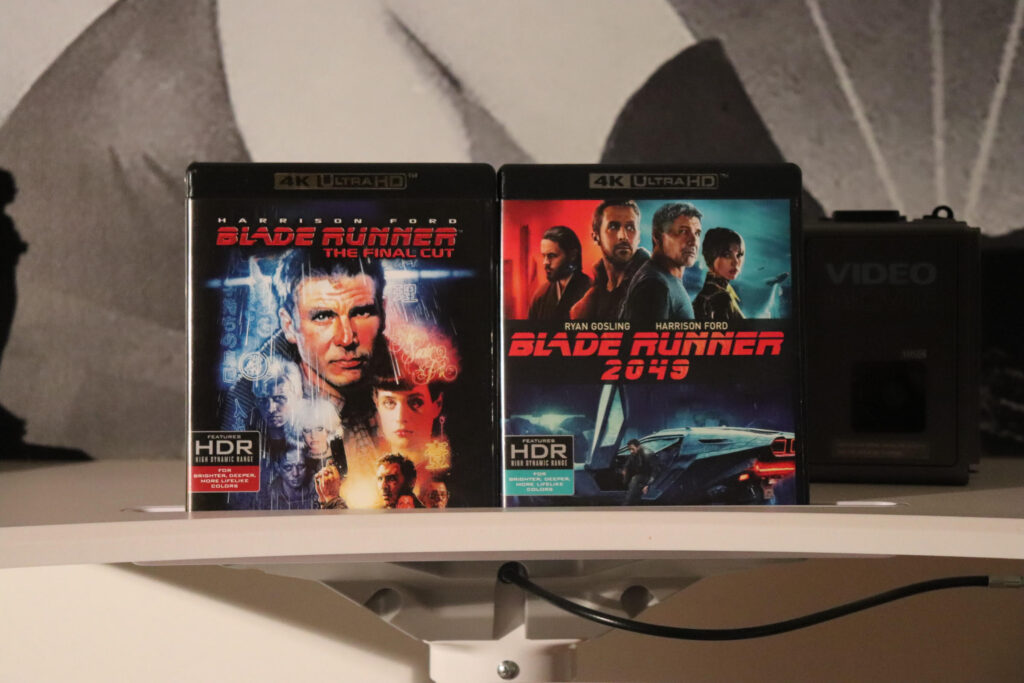
Restoration of Classics & Extras
I mean, the work they do nowadays on 4K HDR restorations of classic films is beyond extraordinary when you watch them on a good screen. That’s honestly most of my buys over the past few years: movies I really love and want to experience again in the best quality and presentation possible, or classics I’ve never seen but have a good gut feeling about and know I’ll revisit more than once in the future. Classics I want to experience for the first time in the best possible way, as close as possible to how they were experienced and perceived when they were first released.
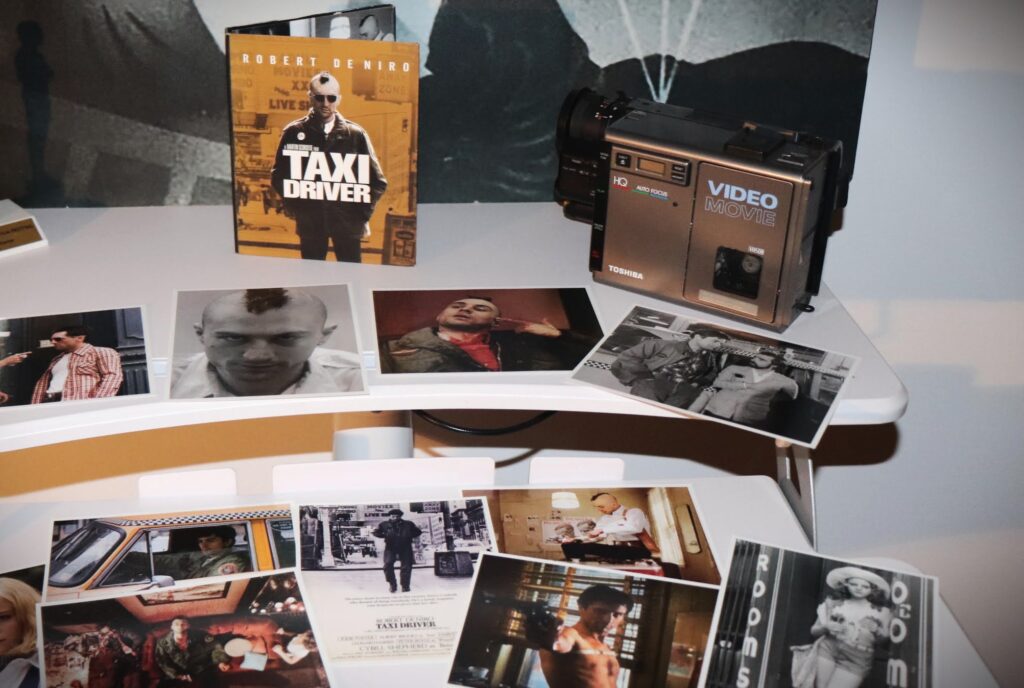
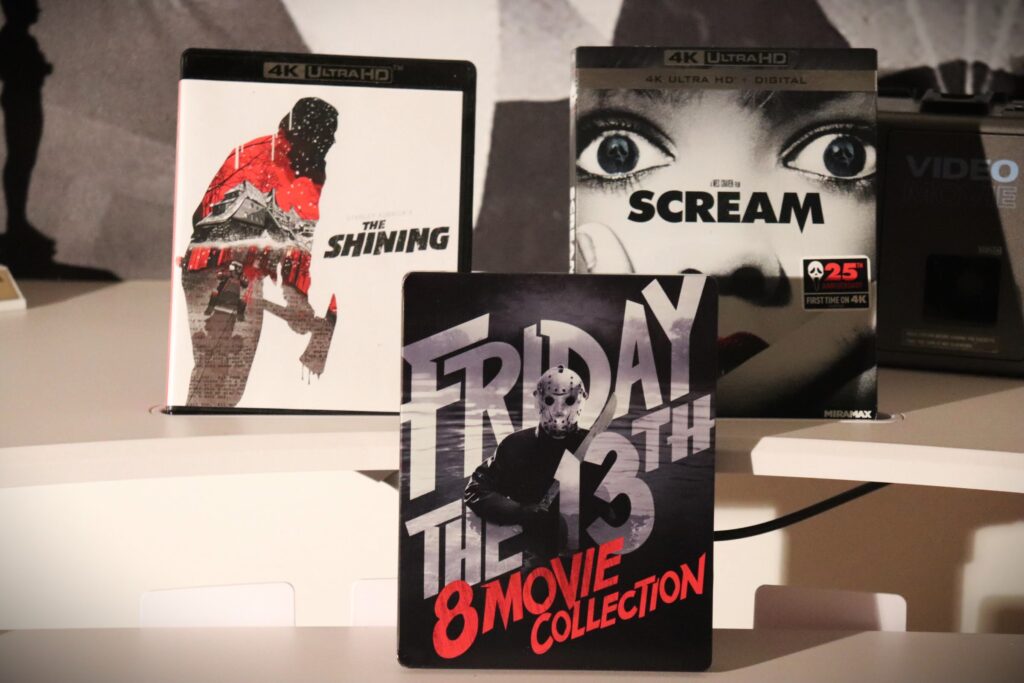
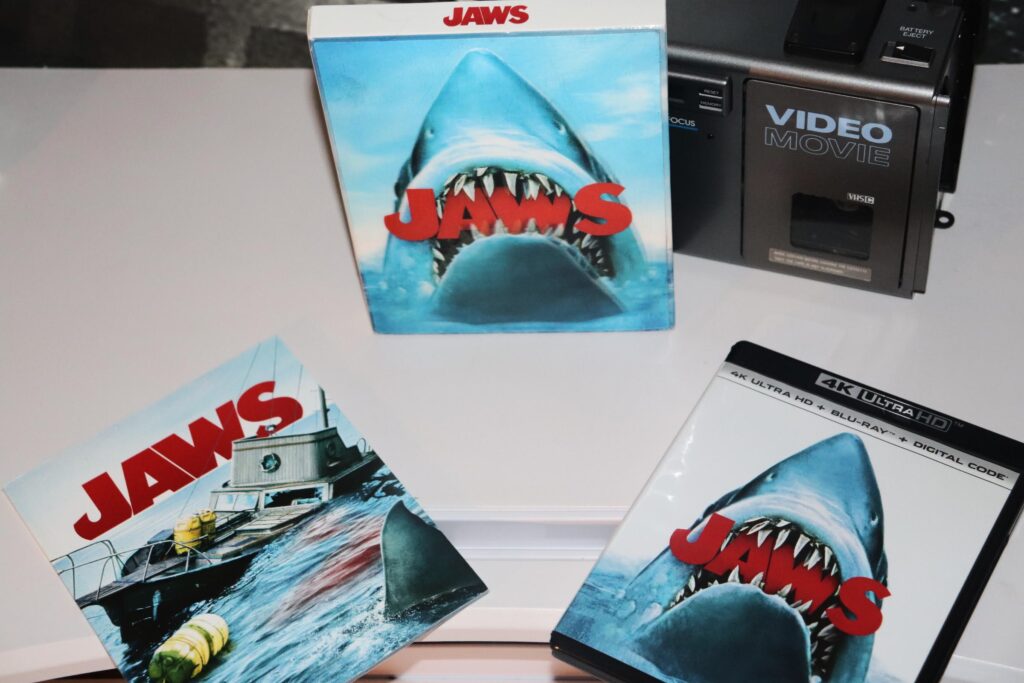
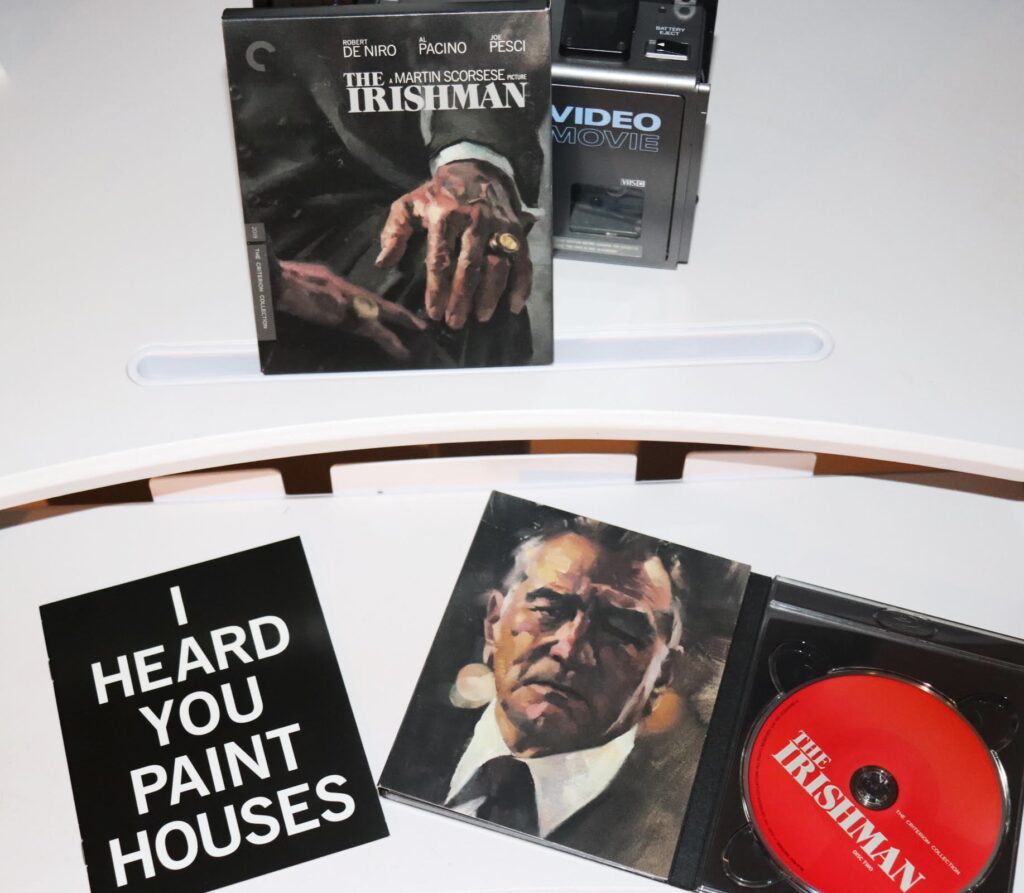
On a side note, many of the new Blu-ray releases and companies like the Criterion Collection do some amazing cover artwork and provide a bunch of cool movie memorabilia and collectibles that extend the movie beyond just the screen and into the physical realm, with objects, posters, cards, and little booklets you can touch, read, and hang on the wall.
It’s nice seeing these companies put real care into the release of physical media for a narrowing but very dedicated market. Many of these releases are beautifully designed, they look great on a shelf, and when friends or guests come over, they naturally gravitate toward them—picking movies up, examining the artwork, and getting excited about what they see. I enjoy it.
My physical media collection feels like my own permanent Netflix, one that will always be there on my shelf. And beyond just watching the movie, the often hour-long exclusive bonus features, making-of documentaries, and audio commentaries are rare gems of film education and film history that I can dive into after the film ends.
Final Thoughts
I still utilize and enjoy streaming because it’s so convenient, and it sometimes allows me to watch a movie and decide whether I want to own a physical copy before actually buying it. Some movies simply deserve to be owned.
I still discover cool movies that I hadn’t heard of or wouldn’t have discovered if it weren’t for streaming. The fact that more production companies and streaming distributors are giving many new stories the opportunity to be told, from low-budget to high-budget, while also upscaling and restoring older films and helping them find new life is a good thing, but it comes with a caveat, I believe.
That caveat is that, over the past ten years, more and more movies have started to look and feel like television, resembling two-hour special episodes of a TV show now presented as a casual cinematic experience both at home and in movie theaters. Ironically, as older films are restored and presented better than ever, many newer releases feel flatter and more television-like by comparison.
That observation starts to dip into a much broader topic: why so many movies today pale in comparison to the cinematic quality of films from the past and Hollywood’s golden era, a subject I’d love to explore more deeply down the line.
Ultimately, my dream is to continue building and growing my library with good films, staying on the lookout for new and restored releases, finding good deals, and creating a lifetime collection that can be preserved like cultural artifacts and passed on to my family and future generations.